




Pelvic Exercise Tools

Education Materials
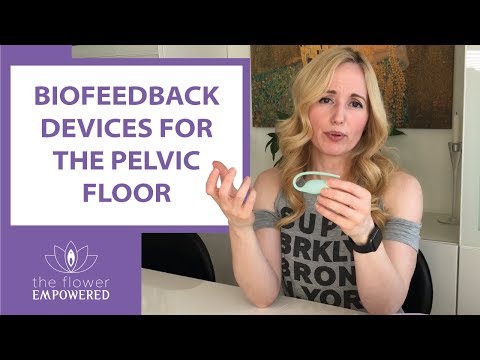
A great overview
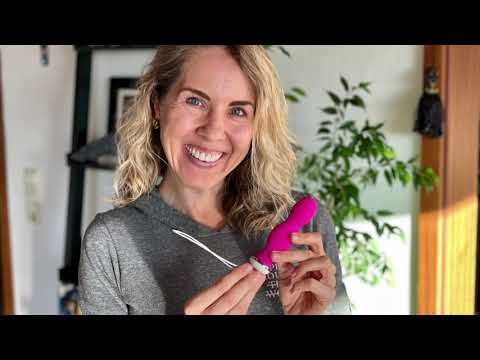
Perifit Review
Expert Overview
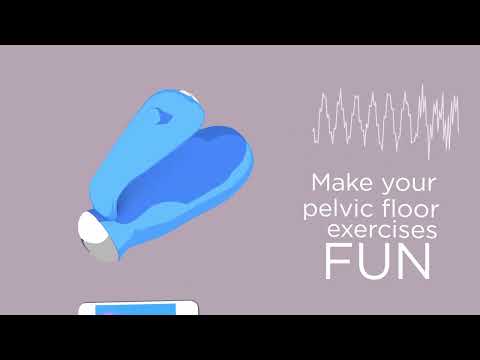
KGoal
PeriC
Summary
Pelvic floor training tools (sometimes called biofeedback devices) may sound a little intimidating at first, but they are designed to help you better understand and strengthen your pelvic floor muscles.
For many women, they can be one of the most helpful early steps for improving bladder control and confidence. These tools give real-time feedback, making it easier to learn how to properly engage the right muscles, something that is often difficult to do on your own.
They can be used as a starting point or alongside pelvic floor physical therapy to support your progress.
Top OTC Biofeedback Devices for Pelvic Floor Training
- Elvie Trainer
- Highlights: FDA-registered device (not a treatment); a unique tilt sensor which alerts users of proper lift during exercises.
- Why it stands out: Excellent for working on technique of exercises. The single game interface has faced some negative reviews.
- kGoal
- Highlights: FDA-registered device (not a treatment); An inflatable option.
- Why it stands out: Due to the design it has a very loyal user following. Also reported to offer strong user feedback.
- Perifit Care Kegel Exerciser
- Highlights: FDA-cleared for stress, urge, and mixed incontinence; provides real-time feedback via app with interactive video games.
- Why it stands out: Clinical evidence shows Perifit is non-inferior to supervised PFMT in randomized trials. It offers an engaging, tech-forward approach with measurable technique feedback.
- PeriCoach System
- Highlights: FDA-cleared for stress, urge, and mixed incontinence; Provides medical-grade data that you can share with your physical therapist.
- Why it’s unique: Triple-Sensor technology with a smooth clinical presentation and a portal that can be utilized to communicate progress with your PFPT.
- Pelvi Fit Kegel Trainer
- Highlights: FDA-registered device (not a treatment); Budget-friendly option (around $38). Uses sensor technology and a mobile app for real-time feedback and progress tracking.
- Why consider it: Affordable entry into app-guided PFMT, ideal for users seeking visual cues and motivation through a compact, comfortable device.
- Emy By Fizimed
- Highlights: CE-marked for general treatment of urinary incontinence.
- Why it stands out: A large variety of games to prevent boredom.
- Not currently available in the US.
Other Notable OTC Biofeedback Options
- KegelSmart (Intimina) and TensCare Biofeedback Pelvic Trainer are also mentioned among top home-use devices for PFMT, offering guided workouts and feedback systems.
Biofeedback
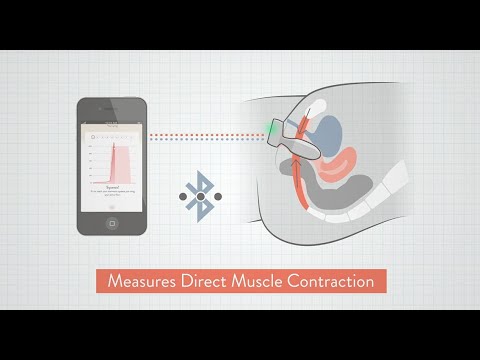
- How it works: Sensors measure your muscle activity and show you results on a screen.
- Why it helps: Lets you see when you’re activating or relaxing correctly.
- App analogy: Like a fitness tracker for your pelvic muscles.
Based on current research, adding a biofeedback device to pelvic floor exercises does not appear to significantly improve outcomes compared to doing pelvic floor exercises alone.
There is also limited research directly comparing these devices to supervised pelvic floor physical therapy. Because of this, most professional organizations do not currently recommend biofeedback devices as a standalone treatment.
What About At-Home Devices?
There is some encouraging data looking specifically at commercially available home pelvic floor training devices.
A large review of multiple studies found that people using these devices did show improvement, including:
- Fewer leakage episodes
- Reduced need for pads
- Improved pelvic floor strength
- Better quality of life scores
In other words, people using these devices do tend to get better over time.
Important Limitation
However, there’s an important catch.
Most of these studies looked at people using the devices alongside pelvic floor exercises, not instead of them.
And importantly:
- There is not enough high-quality research directly comparing these devices to working with a pelvic floor physical therapist.
What This Means
These devices can be helpful, but it’s not entirely clear how they compare to:
- Properly taught pelvic floor exercises
- Or working with a specialist
So while they may improve symptoms, they should be viewed as:
- a support tool
- not a replacement for structured care
For Stress Incontinence (leakage with coughing, running, lifting)
- Pelvic floor training itself is what research shows drives improvement
- The device may help with learning, but doesn’t add much additional benefit if you already know how to do the exercises correctly
Some people do report:
- Better confidence
- Higher satisfaction
But overall symptom improvement is about the same.
For Overactive Bladder (urgency, frequency, not making it to the bathroom)
The evidence shows a similar pattern.
Biofeedback devices:
- Have not been shown in published studies to significantly improve symptoms compared to pelvic floor training or bladder training alone
There may be benefit in certain situations, especially when:
- Combined with other therapies
- Or when electrical stimulation is added
But again, the device itself is not the main driver of improvement.
What Actually Works
Pelvic floor muscle training (PFMT) remains the foundation.
For many women:
- ~70–75% see improvement with exercises alone
This applies to both:
- Stress incontinence
- Overactive bladder
Where Biofeedback Can Help
Biofeedback is best thought of as a teaching tool, not a treatment on its own.
It can be useful if you:
- Aren’t sure if you’re doing the exercises correctly
- Have difficulty activating the muscles
- Want real-time feedback and structure
In these cases, it can:
- Improve awareness
- Improve consistency
- Help you build confidence
What Biofeedback Does NOT Do
Biofeedback devices have not been proven at this time to replace pelvic floor exercise.
The benefit comes from:
- actually performing the exercises
- repeatedly and consistently
The device simply helps guide you.
Bottom Line
Biofeedback devices can be helpful, but they are not required for improvement.
They are best used:
- As a support tool
- As part of a structured plan
- Alongside proper pelvic floor training

Fernandes ACN, et al. (2025). PFMT With Feedback or Biofeedback for Urinary Incontinence. The Cochrane Database of Systematic Reviews.
Wu X, et al. (2021). Electromyographic Biofeedback for SUI or Pelvic Floor Dysfunction. Advances in Therapy. 11
Qaseem A, et al. (2014). Nonsurgical Management of Urinary Incontinence in Women: ACP Guideline. Annals of Internal Medicine.
Voorham JC, et al. (2017). Effect of EMG Biofeedback Assisted PFMT on OAB Symptoms. Neurourology and Urodynamics.
Burgio KL, et al. (2002). Behavioral Training With and Without Biofeedback for Urge Incontinence. JAMA.