




Pelvic Floor Physical Therapy (SUI)
Pelvic Floor Physical Therapy for Stress Urinary Incontinence
Education Materials

A Coached Guide

A great PF workout

Anatomy Guide
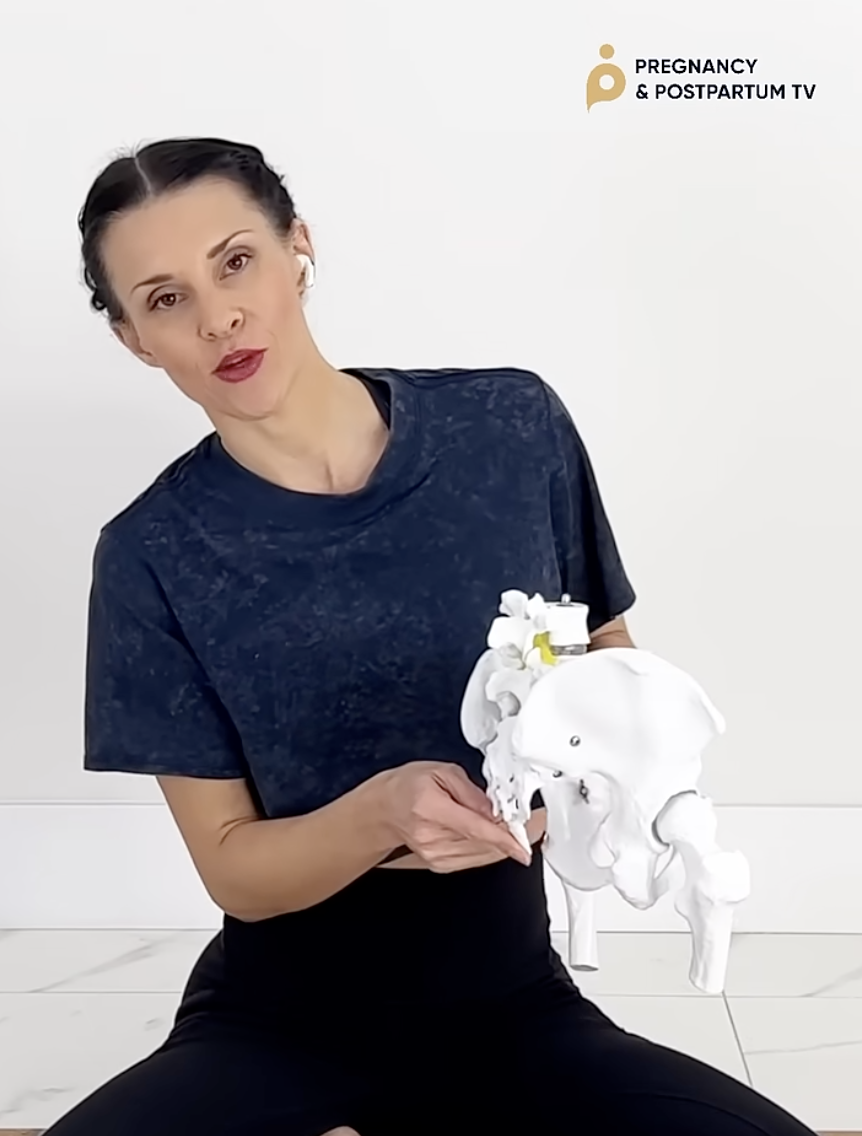
How to Kegel

A great overview

Your first PT visit
Summary
When it comes to stress urinary incontinence (SUI), that leak with a cough, laugh, or run, the first and best treatment isn’t surgery or medication.
It’s guided by physical therapy (PFPT).
PFPT means practicing intentional squeezes of your pelvic floor muscles, usually in small sets (8–12 squeezes, three times a day) for at least three months. Think of it like strength training, but for the muscles that support your bladder.
Our Quick Plan and Education sections explain why pelvic floor physical therapy is one of the most effective first steps for stress urinary incontinence. We cover what PFPT is, how it works, what to expect, and ways to build healthier pelvic floor habits using research-backed guidance written in a simple, easy-to-understand format.
Pelvic Floor Physical Therapy (PFPT)
Pelvic floor physical therapy is considered one of the most effective first steps for stress urinary incontinence (SUI). Women who work with trained pelvic floor physical therapists often see better results than trying exercises completely on their own, especially if they have trouble finding or correctly using the pelvic floor muscles.
Research has shown that pelvic floor muscle training can improve bladder leaks, strengthen pelvic floor muscles, and improve quality of life for many women. Major medical organizations recommend pelvic floor muscle training as a first-line conservative approach for SUI because it is safe, non-invasive, and supported by years of research.
PelviZen is not a replacement for pelvic floor physical therapy or medical care. Our goal is to help women better understand their options, build healthy habits, and feel more informed as they explore pelvic floor support and treatment pathways.
What Can Help Women Stay Consistent
Working With a Pelvic Floor Physical Therapist
Many women benefit from guidance and feedback from a trained pelvic floor physical therapist. In-person visits may help with learning the correct muscle movements, staying motivated, and building a plan that fits daily life.
Quick Tips for Finding the Right Therapist
When calling a clinic, consider asking a few simple questions to make sure the experience feels comfortable and specialized for pelvic health:
- Do you have private treatment rooms?
Privacy and comfort matter. - How much of your practice focuses on pelvic health?
Ideally, you want someone who works with pelvic floor conditions regularly. - How long are the evaluation and follow-up visits?
Many women prefer sessions that allow enough one-on-one time for education and guidance.
You may also want to ask whether the therapist has experience with your specific concerns, such as postpartum recovery, bladder leaks during exercise, pelvic pain, or pressure symptoms.
What to Expect at Your First Visit
The first pelvic floor physical therapy visit is usually longer than a normal follow-up appointment. Whether done in-person or through telehealth, the goal is often the same: to better understand the “why” behind your symptoms and create a personalized starting plan.
1. The Conversation
The first part of the visit usually focuses on your history, symptoms, habits, and daily routines. Because the pelvic floor is connected to many parts of the body, therapists may ask about:
- Bladder and bowel habits
- Fluid intake and caffeine use
- Pregnancy and birth history
- Prior surgeries or injuries
- Exercise habits and lifting mechanics
- Breathing patterns and pressure management
- Stress, tension, and symptom triggers
2. The Assessment
In-Person Assessment
In-person visits may include observing movement patterns like breathing, squatting, posture, and balance. Some therapists may also evaluate the abdominal muscles or check for abdominal separation after pregnancy.
Some clinics may offer an internal pelvic muscle assessment, but this is optional and only done with your consent. The goal is usually to better understand muscle coordination, strength, relaxation, and areas of tension.
You are always in control of your comfort level and can decline any part of the exam.
Digital or Telehealth Assessment
Telehealth visits focus more on movement, posture, breathing mechanics, symptom patterns, and guided self-awareness. Therapists may guide you through simple movements or self-checks while observing posture and body mechanics through video.
Some women prefer telehealth because it feels more convenient, private, or less intimidating.
Digital and Telehealth Options
Some women may prefer digital programs, telehealth visits, or app-based support because they are easier to fit into busy schedules or may improve access to care. Digital pelvic floor support generally falls into three categories: standalone mobile apps, app-connected training tools, and telehealth-based pelvic floor therapy programs.
Some apps provide guided exercise programs, reminders, progress tracking, educational content, and lifestyle guidance to help women stay more consistent with pelvic floor exercises over time.
Telehealth pelvic floor programs may also improve access for women who have difficulty attending in-person visits because of scheduling, childcare, travel, or limited specialist availability.
Early research suggests that some remote pelvic floor programs may offer improvements in symptoms, pelvic floor strength, and quality of life for certain women, although more long-term research is still needed.
Biofeedback and Supportive Training Tools
Some pelvic floor training programs use supportive tools like biofeedback devices or pelvic fitness weights. These tools may provide visual, motion-based, pressure-based, or audio feedback during exercises to help some women better understand how to activate their pelvic floor muscles and stay engaged with training.
Early research suggests that some home biofeedback systems may help improve pelvic floor awareness, exercise consistency, and urinary symptoms for certain users. However, results vary between devices, and researchers are still studying which approaches may provide the greatest long-term benefit.
These tools are generally considered supportive adjuncts that may be used alongside pelvic floor muscle training rather than replacements for professional evaluation or therapy.
Small Goals and Habit Building
Consistency matters more than perfection. Simple routines, reminders, mini goals, and progress tracking may help women stay on track with pelvic floor exercises over time.
Many women start with small daily habits, breathing exercises, posture awareness, or short guided routines before building toward a longer-term pelvic floor strengthening plan.
What Researchers Are Still Studying
Researchers are continuing to study which approaches work best over the long term, including in-person therapy, telehealth programs, apps, and home training tools.
While early results are encouraging for many digital approaches, more high-quality research is still needed to better understand which strategies lead to the best long-term success, adherence, and accessibility for different women and symptom patterns.

Kobashi KC, Albo ME, Dmochowski RR, et al. Updates to Surgical Treatment of Female Stress Urinary Incontinence: AUA/SUFU Guideline. The Journal of Urology. 2023.
Wu JM. Stress Incontinence in Women. The New England Journal of Medicine. 2021.
Moris L, et al. Prevalence, Diagnosis, and Management of Stress Urinary Incontinence in Women: A Collaborative Review. European Urology. 2025.
Dumoulin C, et al. Pelvic Floor Muscle Training Versus No Treatment for Urinary Incontinence in Women. The Cochrane Database of Systematic Reviews. 2018.
Hay-Smith EJC, Starzec-Proserpio M, Moller B, et al. Comparisons of Approaches to Pelvic Floor Muscle Training for Urinary Incontinence in Women. The Cochrane Database of Systematic Reviews. 2024.
Coad B, Ramani S, Michel L, et al. Effectiveness of Telehealth Physical Therapy for Patients With Pelvic Floor Disorders in a Community Hospital Setting. Archives of Gynecology and Obstetrics. 2023.
Lin KY, Chen CY, Wu PC, et al. The Feasibility and Effects of a Telehealth-Delivered Physical Therapy Program for Postmenopausal Women With Urinary Incontinence: A Pilot Mixed-Methods Study. Maturitas. 2025.
Xu P, Wang X, Guo P, et al. The Effectiveness of eHealth Interventions on Female Pelvic Floor Dysfunction: A Systematic Review and Meta-Analysis. International Urogynecology Journal. 2022.
Hao J, Yao Z, Remis A, et al. Pelvic Floor Muscle Training in Telerehabilitation: A Systematic Review and Meta-Analysis. Archives of Gynecology and Obstetrics. 2024.
Pennycuff JF, Borazjani A, Wang H, Iglesia C. Commercially Available Home Pelvic Training Devices for the Treatment of Pelvic Floor Disorders: A Systematic Review and Meta-Analysis. Obstetrics and Gynecology. 2022.